The Raspberry Pi is Recalbox's iconic machine: silent, compact, low-power and a perfect fit for the living room. Here are the models supported by Recalbox 10.1, from newest to oldest.
¶ Which Pi for Recalbox 10.1?
| Model | Recalbox image | In a nutshell |
|---|---|---|
| Raspberry Pi 5 / 500 | recalbox-rpi5_64.img.xz |
The team's choice: up to GameCube, Wii or Saturn |
| Raspberry Pi 4 / 400 / CM4 | recalbox-rpi4_64.img.xz |
Great value, Dreamcast, PSP, part of the GameCube library |
| Raspberry Pi 3 (B / B+) | recalbox-rpi3.img.xz |
Flawless 8/16-bit, PlayStation and some N64 |
| Raspberry Pi Zero 2 (W / WH) | recalbox-rpizero2.img.xz |
The tiny one: 8/16-bit and handhelds, ideal for the GPi Case 2W |
To flash the image (Recalbox is built into Raspberry Pi Imager), see Preparation and installation. For the systems each model can emulate, see emulator compatibility.
¶ Raspberry Pi 5 and Pi 500
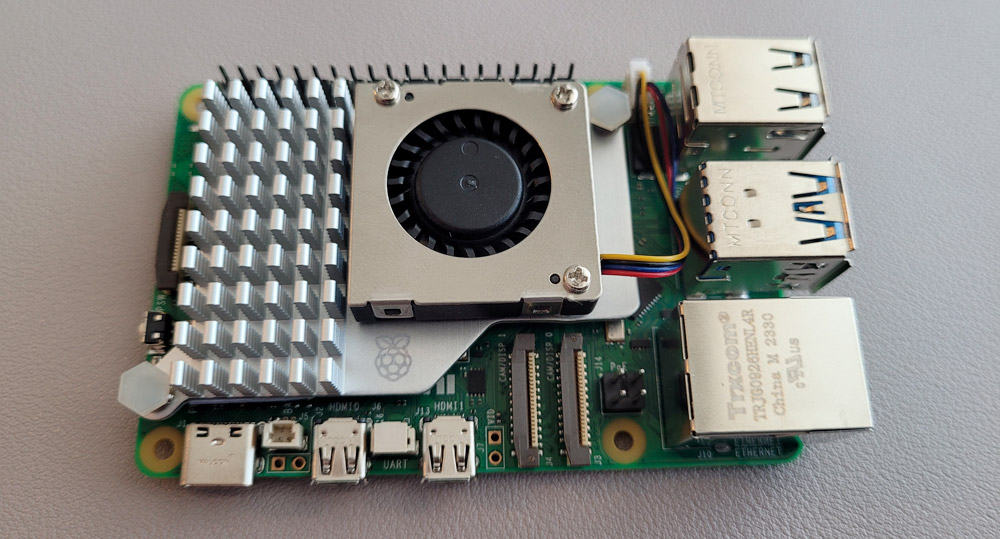
The Pi 5 (Broadcom BCM2712 SoC, 4 × Cortex-A76 cores at 2.4 GHz, VideoCore VII GPU with Vulkan support) is roughly 3 times faster than the Pi 4: it is the recommended machine to discover Recalbox today. The Pi 500 (a Pi 5 built into a keyboard) is also supported and detected.
- RAM: 2, 4, 8 or 16 GB — get the 2 GB model. Recalbox 10.1 is optimised for the 2 GB Pi 5: beyond that, the extra memory brings nothing to emulation. Save the difference.
- Video: 2 × micro-HDMI (4K60).
- Power: USB-C 5 V / 5 A (27 W) — the official power supply is strongly recommended, a phone charger causes instability.
- Cooling: the official Active Cooler (pictured) or a fan case is a must for extended emulation sessions.
- The PCIe port allows an NVMe SSD (through an M.2 hat): Recalbox 10.1 can be installed directly onto it.
Pi 4 cases are incompatible with the Pi 5 (ports moved, audio jack removed). See the supported cases, including the Argon One V3.
¶ Raspberry Pi 4, Pi 400 and Compute Module 4
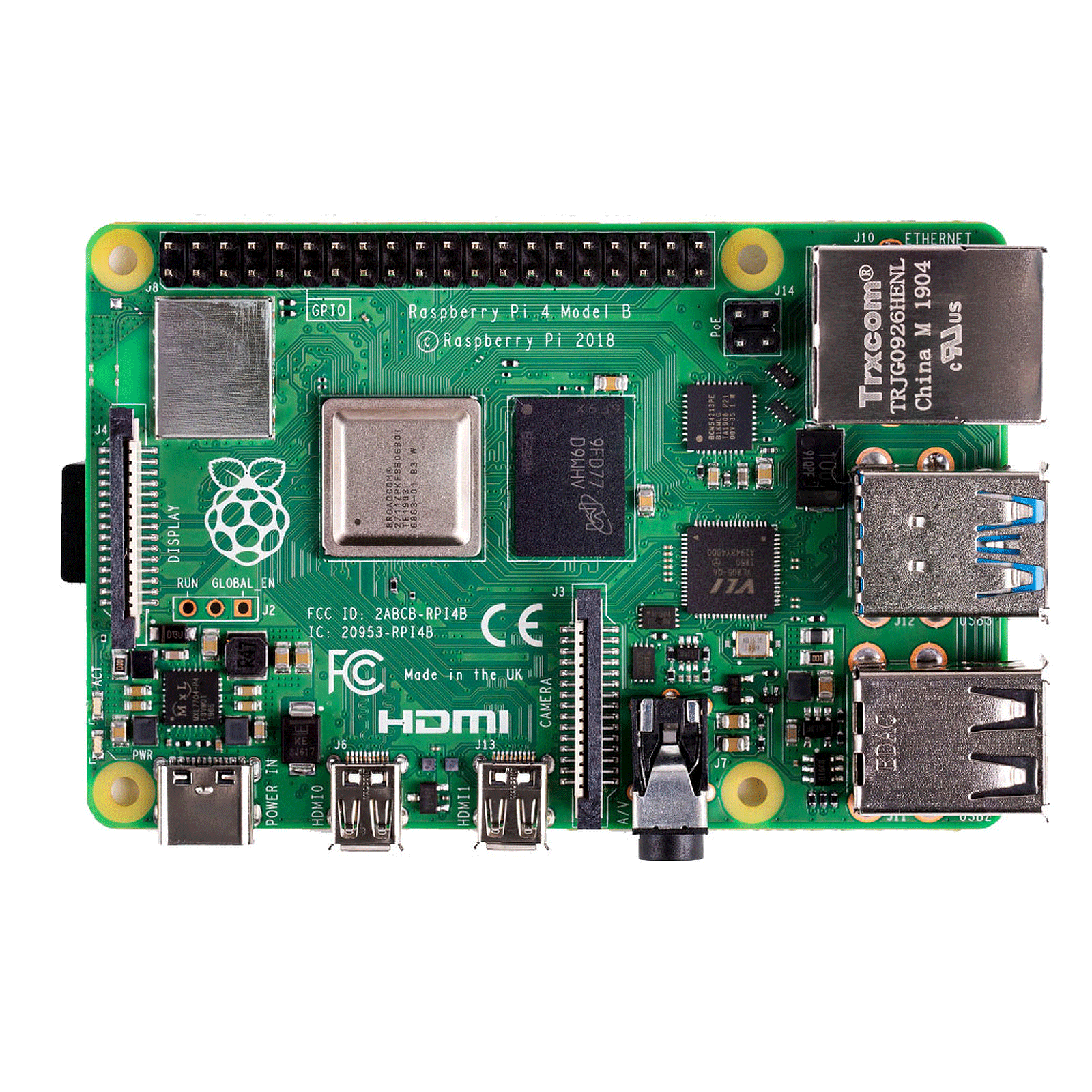
The Pi 4 (BCM2711, 4 × Cortex-A72 cores at 1.5 GHz) remains an excellent Recalbox machine, with the widest choice of cases and accessories:
- Pi 4: 1 to 8 GB of RAM (2 GB or more recommended), 2 × micro-HDMI, 2 × USB 3.0 + 2 × USB 2.0, Gigabit Ethernet, Wi-Fi ac, Bluetooth 5.0. USB-C power supply, 5 V / 3 A minimum.
- Pi 400: the Pi 4 in keyboard form, CPU at 1.8 GHz — same image, automatically detected.
- Compute Module 4: supported, notably at the heart of the GPi Case 2 and the PiBoy DMG.
Plan for cooling (fan case or heatsinks): the Pi 4 gets noticeably hot while gaming.
¶ Raspberry Pi 3 B and B+
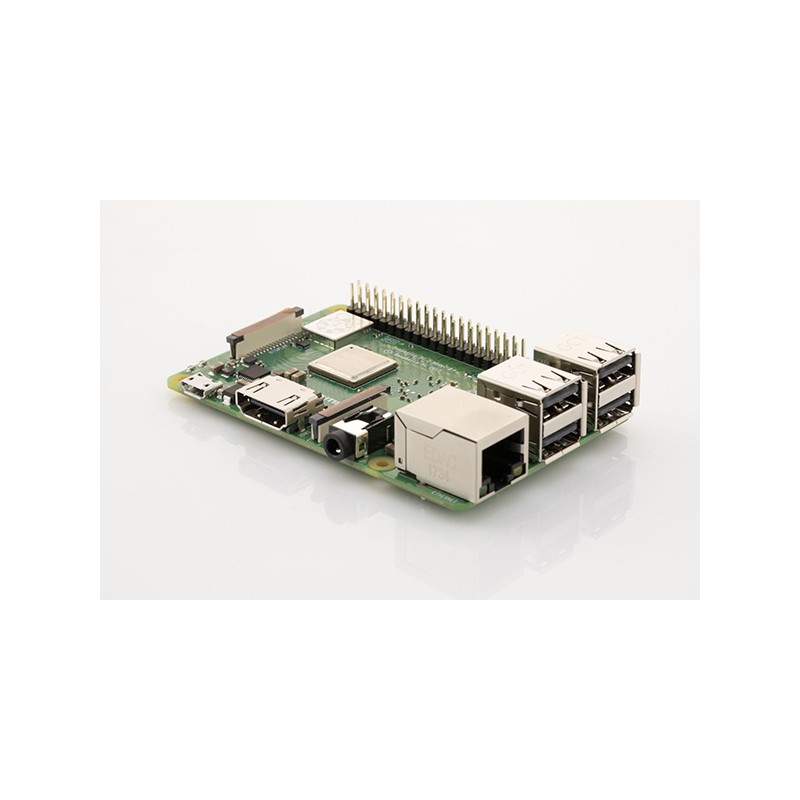
The veteran, still supported (BCM2837, 4 × Cortex-A53 cores at 1.2 / 1.4 GHz, 1 GB of RAM): perfect for an 8/16-bit setup — NES, SNES, Mega Drive, classic arcade — with PlayStation and part of the N64 library as a bonus.
- 4 × USB 2.0, HDMI, 3.5 mm jack, 10/100 Ethernet (300 Mbit/s on the B+), built-in Wi-Fi and Bluetooth.
- Micro-USB power supply, 5 V / 2.5 A.
- Compatible with PoE hats on the B+ — see Raspberry Pi hats.
¶ Raspberry Pi Zero 2
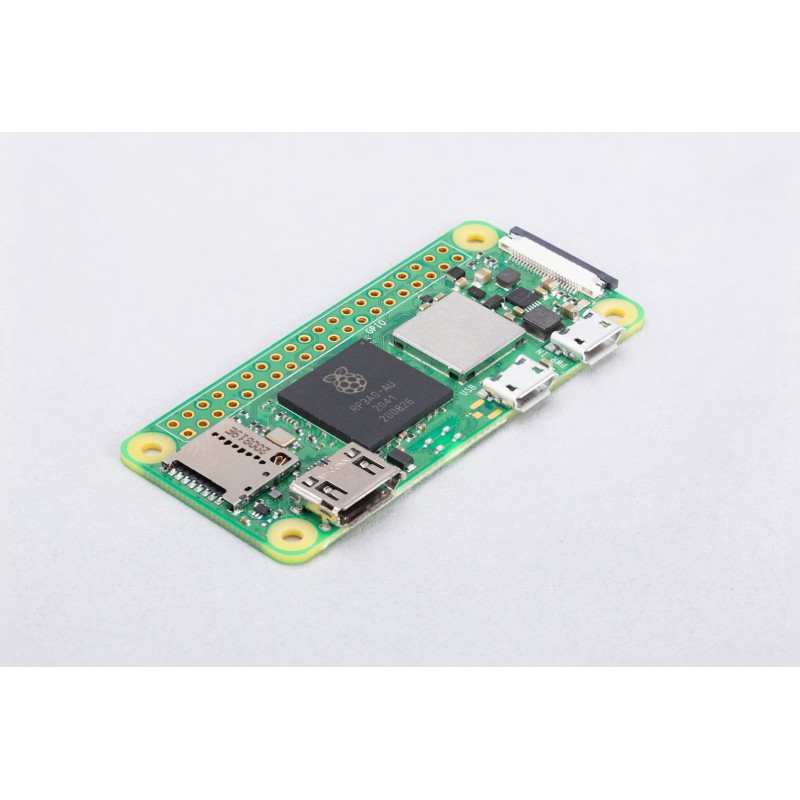
The smallest supported Pi (same chip as the Pi 3, 512 MB of RAM, 65 × 30 mm footprint): very comfortable with 8/16-bit systems and handhelds (Game Boy, GBA, Lynx…). It is the board inside the GPi Case 2W portable case.
- 1 × mini-HDMI, 1 × micro-USB OTG (a USB hub helps to plug keyboard + controller), micro-USB for power.
- Built-in 2.4 GHz Wi-Fi and Bluetooth 4.2.
- 40-pin GPIO header unpopulated on the W version (populated on the WH).
¶ What about CRT TVs?
Every Recalbox Raspberry Pi image ships with native 15 kHz RGB support: with a Recalbox RGB Dual / Dual 2 hat (SCART/VGA) or RGB JAMMA (arcade cabinet), your Pi outputs the genuine retro picture — see screens.
¶ Unsupported models
The Raspberry Pi Zero (v1.3), Zero W, Pi 1 and Pi 2 are no longer supported by Recalbox 10: their 32-bit processors can no longer keep up with the system's evolution. Their last image is Recalbox 9.2.3 (Pulstar), still downloadable from recalbox.com but unmaintained. On a tight budget, the Pi Zero 2 (same footprint as the Zero W) is the direct replacement.
¶ Must-have accessories
- An official power supply (undersized power supplies are the number one cause of issues);
- a 16 GB minimum, brand-name microSD card — see storage;
- a case, ideally with a fan on Pi 4 and Pi 5 — see cases;
- the right video cable: HDMI (Pi 3), micro-HDMI (Pi 4 / Pi 5), mini-HDMI (Zero 2).
Unsure about a setup? Ask on the Recalbox Discord.